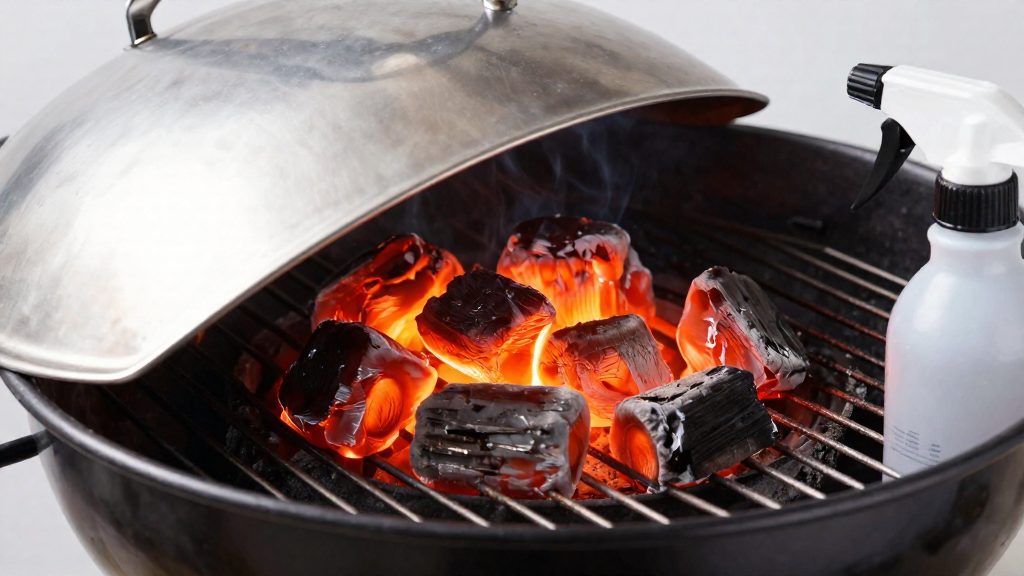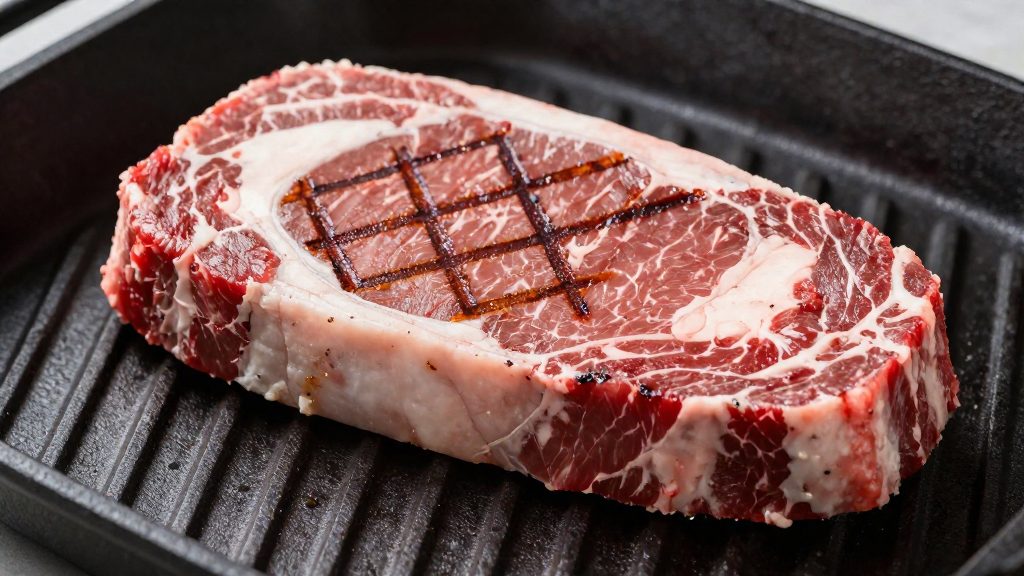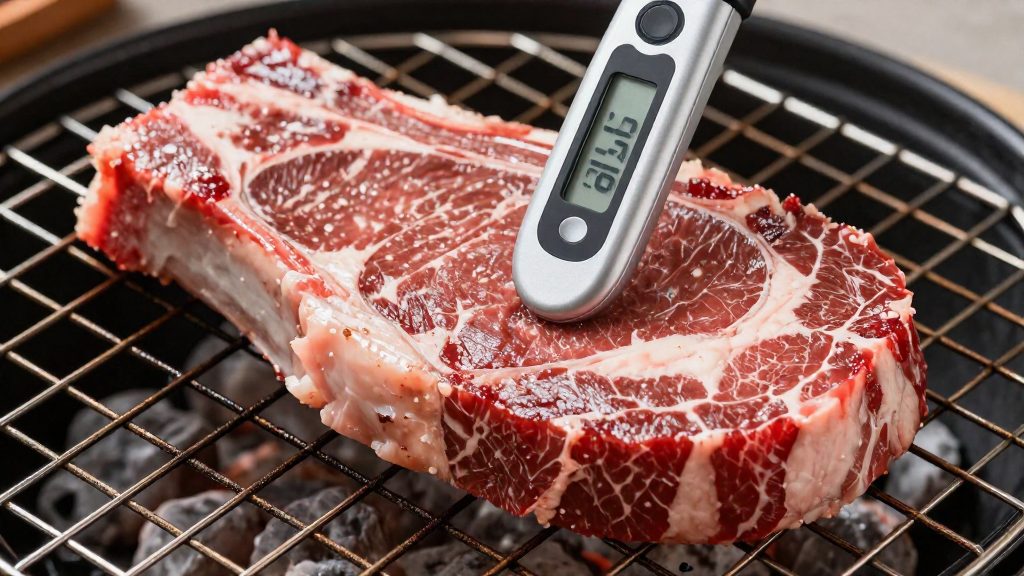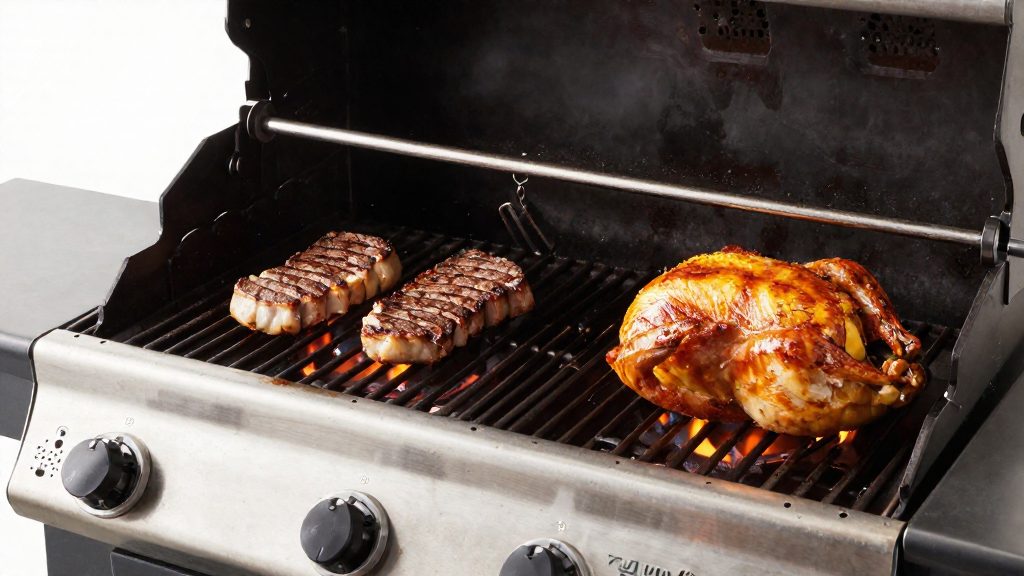
A two-zone setup on a gas grill splits the cooking surface into a direct zone, positioned over lit burners for high-heat searing, and an indirect zone, positioned away from the direct flame for slower cooking. According to Weber (2026), this split lets one grill handle both jobs at the same time.
What is a two-zone setup on a gas grill?
A two-zone setup turns the grill into two cooking environments. Food over the lit burners is in the direct zone, and food beside or away from the flame is in the indirect zone.
Direct zone: high-heat searing
The direct zone sits over the lit burners. Weber describes it as the high-heat area for searing, so this is where food gets surface browning before or after time in the slower zone.
Indirect zone: slower cooking
The indirect zone is the area away from the direct flame. It is used for slower cooking, so food there cooks more gently and does not sit directly over the burners.
| Setup | Burner status | Use |
|---|---|---|
| Standard two-zone | One side lit, other side clear of direct flame | Sear on the direct side, cook slowly on the indirect side |
Why separate searing from slow cooking
Separating the two functions lets one grill perform both tasks without relying on a single heat level.
How do you set up two zones on a gas grill?
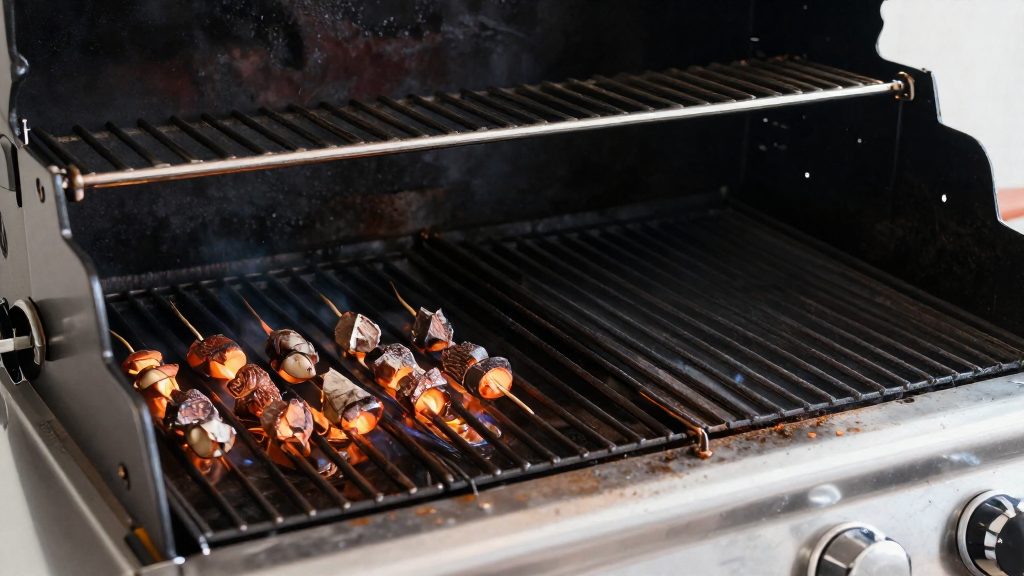
Two-zone grilling means dividing the grill into a hot side for direct searing and a cooler side for indirect cooking. Weber describes it as two distinct heat zones: one for direct, high-heat searing and one for indirect, slower cooking (Weber, 2026). On a gas grill, three controls determine the zones: the burner knobs, the lid, and the choice of which burners to light.
Adjusting the burner knobs
Each burner has its own knob, so zone intensity is set by adjusting burners independently. Keep the burners under the direct zone on high, and reduce the burners under the cooler side to low or medium. Weber advises preheating the grill for 15 minutes before cooking (Weber, 2026), so both zones reach their set level before food goes on the grates.
Using the lid to trap indirect heat
The lid turns the grill into an enclosed cooking chamber. With the lid closed, heat circulates around the food on the cooler side instead of rising only from below. Keep the lid closed while the indirect side is in use, and open it only to check food, because each opening releases heat and lengthens cooking time.
Choosing which burners to light on larger grills
On larger grills with several burners, you control zones by choosing which burners stay lit. The lit burners form the direct zone, and the unlit or low burners form the indirect zone.
| Setup | Burner settings | Best use |
|---|---|---|
| Standard two-zone | Direct-side burners on high, cooler-side burners on low or medium | Searing on one side, finishing on the other |
Burner control and indirect heat are the two principles behind every setup. Adjusting the knobs, closing the lid, and selecting burners let you match the method to the cut you are cooking.
How to do it on a two-burner grill
On a two-burner gas grill, two-zone heat comes from using the space between the burners, not from a separate heating element. According to Weber (2026), the gap between the burners is the best area for indirect grilling, and it is visible only after the cooking grates and Flavorizer Bars are removed. Check this before you cook, because the gap’s position varies with the burner layout of each model.
Locating the gap is the first step. Remove the cooking grates and Flavorizer Bars, then look at the grill body to find the open space between the two burners. This is your indirect zone. Mark its position relative to the grill’s front, back and sides so you can place food accurately once the grates are back on.
Setting the burner comes next. When you are cooking only with indirect heat, keep the lit burner on low or medium. Food placed over the gap then cooks from the surrounding heat rather than from direct flame contact, which suits slower cooking. For searing, turn the lit burner up to high.
Handling large items follows a different method. For a large item such as a turkey, turn off one burner and place the food over the unlit side. Keep the other burner on low or medium. This setup keeps the food away from the active flame while the grill still supplies heat from one side.
What temperatures should each zone reach?
A two-zone setup splits the grill into a direct zone and an indirect zone. According to Weber (2026), the direct zone should reach about 450–550°F (about 230–290°C) or higher, and the indirect zone should sit at about 325–425°F (about 160–220°C). Each target suits a different job: the direct side handles high-heat searing, while the indirect side handles slower cooking without scorching the outside of the food.
| Zone | Target temperature | Typical use |
|---|---|---|
| Direct | About 450–550°F or higher | Searing and fast browning |
| Indirect | About 325–425°F | Slower cooking, roasted potatoes and vegetables, thick cuts, reverse-seared steaks |
Checking zone readings at grate level
The temperature that matters is the one at the cooking surface, not the air at the top of the lid. To check each zone:
- Preheat with the lid closed so the grill reaches a stable state before you take any reading.
- Place a probe thermometer on the grate in the centre of each zone, at the spot where food will sit. Use a separate reading for each side.
- Keep the lid closed while reading, then wait for the number to stabilise before making any change.
- Adjust only the zone that is off target. If the indirect side reads above 425°F, reduce heat on that side. If the direct side is below 450°F, increase it.
Repeat the check after adjusting.
Which foods suit direct and indirect zones?
Weber describes two-zone grilling as creating one direct, high-heat zone for searing and one indirect, slower zone for gentler cooking (Weber, 2026). Each food belongs on the side that matches how long it needs and whether it needs surface browning.
| Food | Zone | Reason |
|---|---|---|
| Thick cuts | Indirect, then direct to sear | The core needs extended cooking before the exterior browns |
| Reverse-seared steaks | Indirect first, direct to finish | Gentle cooking comes first, then direct heat builds the crust |
| Potatoes | Indirect | They roast through without direct flame |
| Vegetables | Indirect | Same roasting method as potatoes |
Thick cuts need extended indirect cooking. Start them on the cooler side with the lid closed, then move them over the direct zone only once the interior is close to the target doneness. Thin cuts can go straight over the direct side because they cook through before the outside over-browns.
Reverse-seared steaks reverse the usual order. The steak cooks on the indirect side first, then gets finished over the hot direct zone for a crust. Because the surface is seared last, the crust forms at the end, once the inside is already cooked.
Potatoes and vegetables are the typical side dishes for this setup. Sear the meat on the direct side while the potatoes or vegetables roast on the indirect side, so both finish at about the same time.
Do you need to preheat the grill?
Yes. Weber advises preheating for 15 minutes before cooking (Weber, 2026), and this applies to the whole cooking surface, not only the area where food will go first. Both zones must be hot before anything touches the grates, because two-zone grilling depends on a clear split between the direct side for searing and the indirect side for slower cooking. If only one side is hot, the sear will be uneven and the indirect side will not behave as expected.
On a gas grill, light all burners for the 15-minute preheat so the whole chamber is hot. Once preheated, keep the burners under the direct zone high and turn the burners under the indirect side down to low or medium, or off, depending on your setup.
Follow this sequence:
- Light all burners on the gas grill.
- Close the lid so heat builds across the whole cooking chamber.
- Wait the full 15 minutes before placing any food on the grates.
- Place food only after the preheat is complete, starting on the direct side for searing.
Food placed on the grates before preheating finishes does not get the high-heat sear that direct cooking relies on. Starting early also means the indirect side is not yet stable when you need it for thick cuts, vegetables, or large items.
Once both zones are hot, the grill is ready for two-zone cooking.
Common mistakes and safety tips
Most zone-setup errors on a two-burner gas grill come from putting food or fat over the flame, not from the burner settings themselves.
Flare-ups from dripping fat
When fat falls onto a lit burner or the flame area, it ignites and causes flare-ups that can char the surface of the food. Trim excess fat before grilling, and position any drip tray on the unlit side so drippings do not land on the burner. If flames rise, move the food to the indirect side until they subside rather than lifting the lid, which feeds more air to the fire.
Overcrowding the direct zone
Packing too much food into the direct zone traps moisture and lowers the surface temperature, so the food steams rather than sears. Leave gaps between pieces and reserve the direct side for items that need searing.
Opening the lid during indirect cooking
Lifting the lid during indirect cooking releases heat and lengthens cooking time. Keep the lid closed, and use a probe thermometer to check doneness instead of opening the grill repeatedly.
| Mistake | Risk | Correction |
|---|---|---|
| Fat dripping onto a lit burner | Flare-ups and charred surface | Trim fat, place drip tray on the unlit side |
| Too much food in the direct zone | Steaming instead of searing | Leave gaps, move non-searing items to the indirect side |
Frequently asked questions
What temperatures should each zone reach on a two-zone gas grill?
According to Weber (2026), the direct zone reaches about 450–550°F (about 230–290°C) or higher, which suits searing. The indirect zone runs at about 325–425°F (about 160–220°C), which suits slower cooking. Preheat the grill for 15 minutes before cooking so both zones stabilise.
How do I create two zones on a two-burner gas grill?
Keep the lit burner on low or medium when you cook indirectly. Weber (2026) identifies the gap between the burners, visible once the grates and Flavorizer Bars are removed, as the best indirect area. Place food in that gap rather than directly over the flame.
How do I cook a large item such as a turkey on a two-zone setup?
Turn off one burner and place the food over the unlit side, with the other burner on low or medium. Weber (2026) also advises rotating very large items partway through cooking so they brown and cook evenly.